Asphalt Shingles: A Complete Homeowner's Guide
By Apex Editorial Team • May 10, 2024
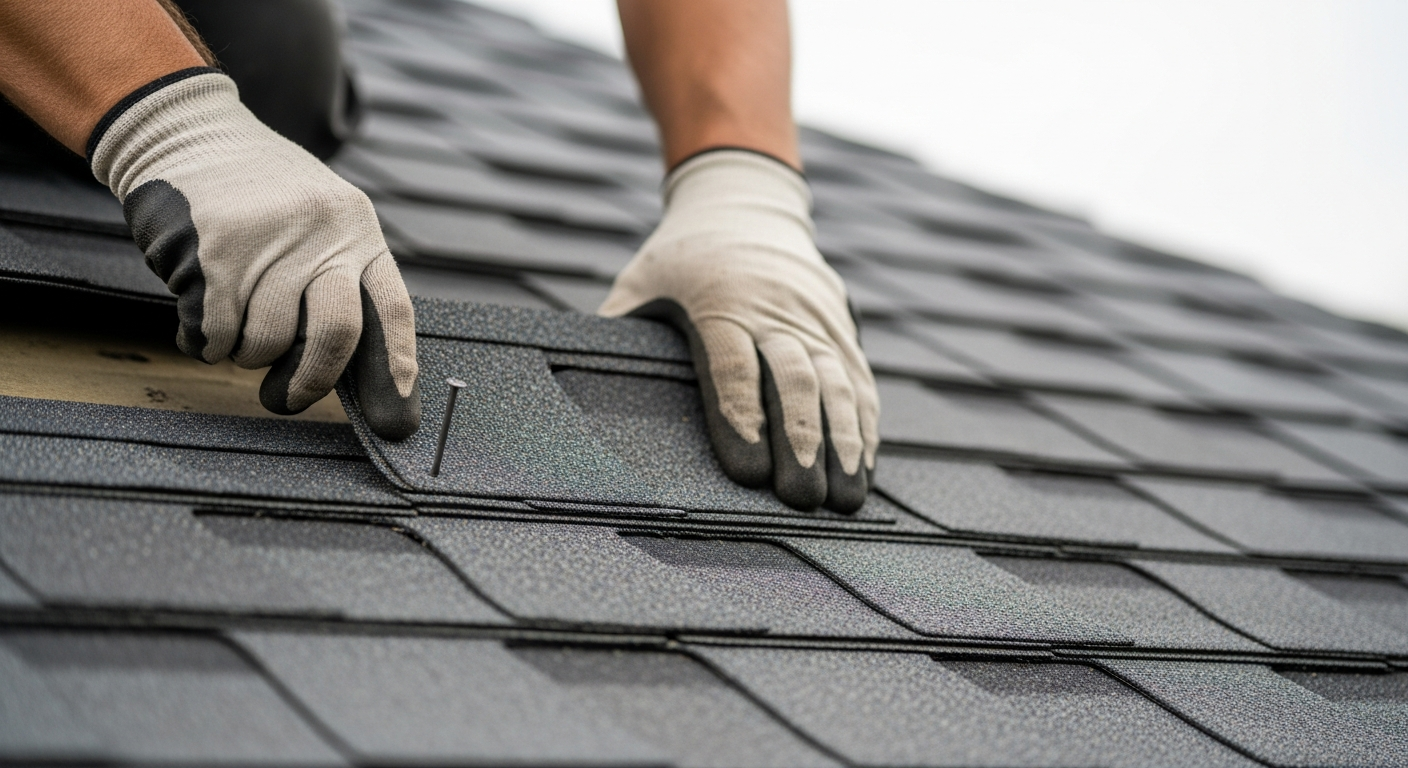
Asphalt shingles cover more than 75% of American homes. They are versatile, cost-effective, and — when properly specified and installed — capable of lasting 30 to 40 years in Georgia's climate. But not all asphalt shingles are the same, and the difference between a builder-grade product and an architectural-grade system is enormous. This guide helps you understand what you're actually choosing when you schedule a roof replacement.
The Three Main Types of Asphalt Shingles
The asphalt shingle market divides into three broad categories. Most homeowners encounter only two of them, but understanding all three helps you make a more informed decision.
3-Tab shingles are the lightest, thinnest option — a single layer of asphalt with cutouts that create the appearance of three separate shingles per strip. They were the dominant residential product for decades, but they have significant limitations: a typical lifespan of 15–20 years, a wind resistance rating of 60–70 mph, and virtually no shadow depth or visual dimension. In Georgia's storm-prone climate, 3-tab products are increasingly difficult to recommend. Many premium contractors will not install them on occupied homes.
Architectural shingles (also called dimensional or laminated shingles) are the current standard for quality residential roofing. They consist of two layers of asphalt fused together, creating a thicker, more durable product with genuine visual depth. Wind ratings commonly run to 110–130 mph, and properly installed architectural systems from manufacturers like GAF, CertainTeed, and Owens Corning carry 30-year to lifetime warranties when installed by certified contractors. This is the category we recommend for the overwhelming majority of residential replacements in Georgia.
Premium designer shingles are the top tier — products engineered to replicate the appearance of slate, wood shake, or clay tile at a fraction of the weight and installation cost. If your home has a complex roofline, historic character, or you simply want the highest visual impact available in the shingle category, designer products like GAF's Grand Sequoia or CertainTeed's Presidential Shake are worth evaluating. They carry the longest warranties and strongest performance ratings in the asphalt category.
What the Warranty Actually Means
Asphalt shingle warranties are routinely misunderstood — and manufacturers bank on that confusion. There are two distinct components:
The material warranty is the manufacturer's guarantee against defects in the shingle itself. A "30-year shingle" has a 30-year material warranty. This sounds comprehensive until you read the fine print: warranties typically pro-rate after the first decade, covering a decreasing percentage of replacement costs over time. A shingle that fails in year 22 may be covered for only 20–30% of material cost — and the coverage does not include installation labor.
The system warranty — available only when a manufacturer's full product system is installed by a certified contractor — is a different and far more valuable product. GAF's Golden Pledge, for example, covers both materials and labor for up to 25 years when installed by a GAF Master Elite contractor. These system warranties are not available at the big-box level; they require professional installation from a credentialed contractor. When you review quotes, always ask whether the warranty being offered is a material warranty or a system warranty.
How Georgia's Climate Affects Shingle Selection
Georgia's weather profile creates specific demands on roofing materials. The combination of hot, humid summers, seasonal hailstorms, and occasional high-wind events in the spring and fall means your shingle selection needs to address three distinct stressors:
UV and heat: Georgia summers are long and intense. Dark shingles absorb heat aggressively, which accelerates granule loss and binder degradation. If energy efficiency is a priority, look for products with the ENERGY STAR label — these shingles use highly reflective granules that can measurably reduce roof-surface temperatures and cooling loads.
Impact resistance: North Georgia experiences hailstorms with some regularity, particularly in the spring. Class 4 impact-resistant shingles (the highest rating under UL 2218 testing) can withstand larger hailstones without cracking. More importantly, many insurance carriers offer a premium discount of 20–30% for Class 4 rated products. On a 2,500-square-foot home, that annual discount can meaningfully offset the modest cost premium of a Class 4 product over a standard architectural shingle.
Wind resistance: The standard for quality architectural shingles is 110 mph. If your property is exposed — hillside, open terrain, or in the North Georgia mountains — consider a product rated to 130 mph or higher, which typically requires a specific nailing pattern during installation.
Granule Quality: The Variable Nobody Talks About
Granules are the protective surface layer of an asphalt shingle. They shield the asphalt core from UV degradation, give the shingle its color, and provide some degree of fire protection. Granule quality varies significantly between product lines, and it is one of the most reliable indicators of how a shingle will perform over time.
Builder-grade shingles often use crushed aggregate with minimal coating. Premium architectural lines use ceramic-coated mineral granules — treated with copper or zinc to resist algae — bonded more aggressively to the asphalt surface. When you look at competitive quotes, the visible difference in granule density and uniformity between a builder-grade and a premium architectural shingle is striking.
For Georgia homes, we always specify algae-resistant shingles (look for the "AR" designation or "StainGuard" / "StreakFighter" branding). The humid Southeast climate is hospitable to algae growth, and the dark streaks that result are both aesthetically damaging and mildly corrosive to the granule bond over time.
Common Signs of Shingle Failure
Even a quality shingle installation has a finite lifespan. The following conditions warrant a professional assessment rather than a wait-and-see approach:
- Granule loss in gutters. Some granule shedding is normal during the first few months after installation. Significant ongoing loss from a roof more than five years old indicates accelerated weathering.
- Curling or cupping at the edges. Shingles curling upward at the edges or dishing in the center often indicate improper attic ventilation — a problem that will continue damaging shingles until the ventilation is corrected.
- Cracking or brittleness. Shingles that crack under thermal cycling have lost their flexibility. Once cracking begins, water infiltration at the cracks is a matter of time.
- Exposed underlayment or decking. If any section of your roof shows underlayment or dark substrate beneath a missing shingle, this is an immediate concern regardless of the age of the surrounding material.
- Dark algae streaks running vertically. More cosmetic than structural, but if you're seeing visible streaking on a roof that is 15+ years old, the combination of age and moisture retention warrants assessment.
If you've noticed any of these signs, an independent residential roofing assessment will give you a clear picture of what you're working with and what your options are.
When Shingles Are Not the Right Answer
Asphalt shingles are a genuinely excellent product within their intended application envelope. But there are scenarios where a different material is the smarter investment:
If your home has a low-slope section (less than 2:12 pitch), asphalt shingles are generally not appropriate — water drains too slowly for them to perform as designed, and leaks are a near-certainty. If your property is on exposed terrain with regular high-wind events, a standing seam metal roofing system may offer better long-term economics. And if you plan to own the home for 30+ years, the lifetime economics of metal often favor it significantly.
We raise these alternatives not to steer you away from shingles, but because the right answer depends on your specific home, goals, and budget — not on which product category has the lowest upfront cost.
Frequently Asked Questions
How long do asphalt shingles actually last in Georgia?
A 3-tab shingle: 15–20 years. A standard architectural shingle properly installed: 25–35 years. A premium architectural or designer shingle with a full system warranty: 30–40+ years. Climate, ventilation, and installation quality all affect realized lifespan significantly.
Can I install new shingles over existing ones?
Most roofs can accept one re-roof layer, but it's rarely the recommended approach. Layering over an existing roof traps moisture, adds weight, and prevents the decking inspection that is essential for a quality installation. In Georgia's humid climate, we almost always recommend a full tear-off.
What's the difference between a contractor-grade and a retail shingle?
Contractor-grade architectural shingles — the products sold through roofing supply houses to certified contractors — differ from retail versions in granule density, asphalt weight per square, and nail strip reinforcement. They typically carry stronger warranties and perform measurably better over time. A quote that is significantly cheaper than others may be using a retail or builder-grade product.
Should I be concerned about algae resistance in Georgia?
Yes. The southeast has one of the highest rates of algae growth on residential roofing in the country. Algae-resistant shingles — which use copper or zinc compounds in the granule coating — are worth the modest premium. The alternative is periodic chemical treatment, which costs money over time and is only partially effective.
Related Services & Resources
Ready to evaluate your shingle options?
Our estimators will walk you through the right product for your home, climate exposure, and budget — with no pressure and a written, itemized estimate.
Request a Free Assessment