Mismatched Roof Shingles: Causes, Consequences & What to Do
By Apex Editorial Team • Jun 4, 2024
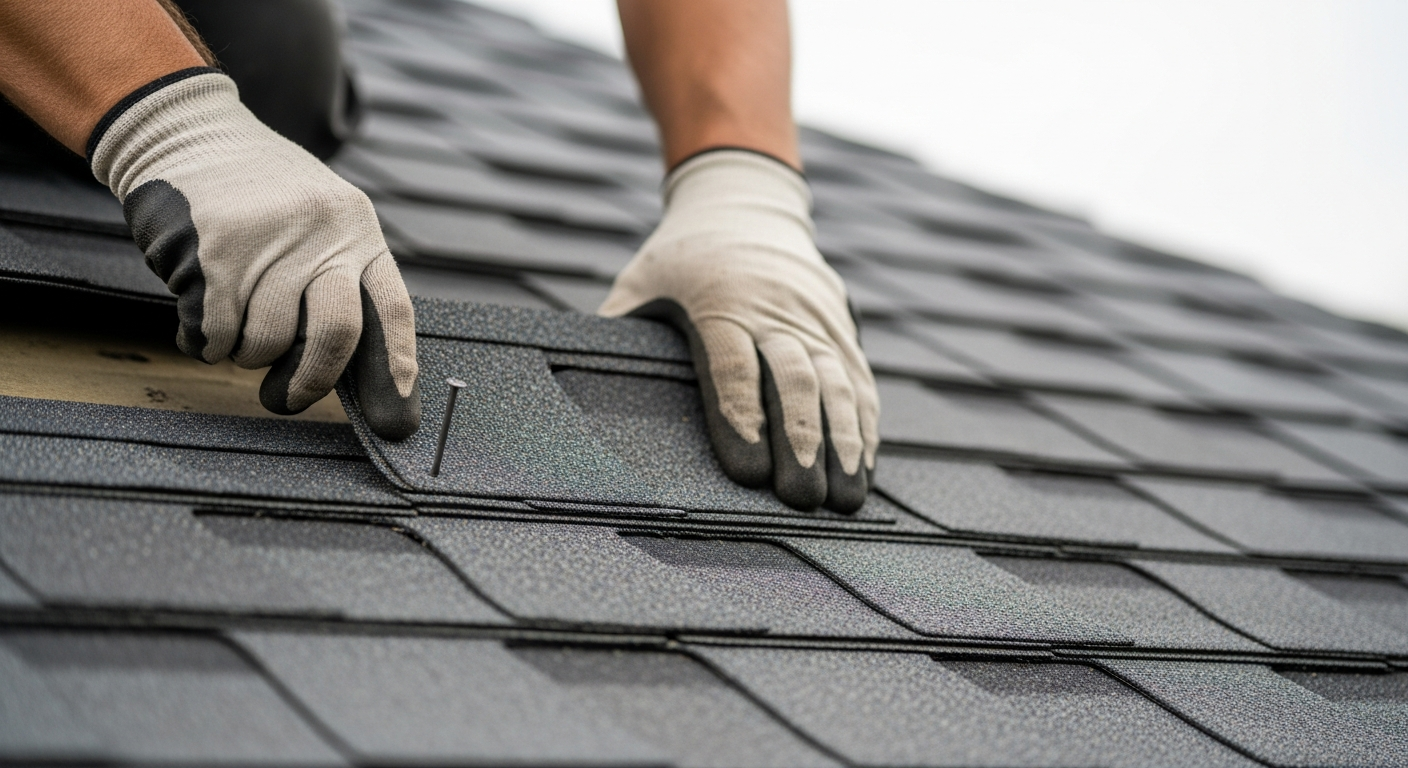
You've noticed it from the street — a section of your roof that looks darker, lighter, or textured differently from the surrounding shingles. Maybe it was pointed out during a recent home inspection. Mismatched shingles are one of the most common cosmetic issues homeowners encounter, and while they sometimes represent nothing more than an imperfect repair, they can also be a meaningful diagnostic signal. Understanding what you're actually seeing is the first step. Knowing when to call a contractor for a full roof replacement versus a targeted repair is the second.
Why Shingles Mismatch in the First Place
Shingle mismatches typically happen for one of four reasons, and the cause matters when deciding how to respond.
Post-storm patch repairs. This is the most common cause. After a hailstorm, wind event, or falling tree limb, a contractor replaces the damaged shingles with whatever product is available at the time. Even when a contractor sources the "same" shingle, batch dye lots vary, product formulations change between manufacturing runs, and the weathered appearance of existing shingles looks dramatically different from fresh product. The result is a patch that is visible from the street, sometimes for the life of the repair.
Insurance claim partial replacements. Insurance settlements are sometimes scoped to cover only the visibly damaged sections — the side facing the hailstorm, for example — rather than the full roof. A contractor who completes only the covered scope produces a half-and-half result that may be structurally sound but is cosmetically inconsistent.
Discontinued products. Shingle manufacturers regularly update their product lines, retire colors, and discontinue product families. If your roof was installed with a product that has since been retired, any replacement — even from the same manufacturer — will not be an exact match. This is particularly common on roofs that are 10 or more years old.
Poor contractor documentation. When an original installation contractor keeps good records — manufacturer, product line, color code, batch — a future match is more achievable. When documentation is absent, the matching process is essentially trial and error, and the probability of a visible mismatch is high.
When Mismatched Shingles Are Just Cosmetic
The most important initial distinction is between a mismatch that is purely aesthetic and one that signals an underlying problem.
If the patch or repair was done correctly — meaning the replacement shingles were installed with proper nailing patterns, overlaps, and flashing at any transitions — a color or texture mismatch does not affect the waterproofing or structural integrity of the roof. The roof is doing its job. The mismatch is a cosmetic nuisance, and the correct response depends on your tolerance, the age of the surrounding roof, and your plans for the property.
A newer roof (less than 10 years old) with a small, isolated mismatch from a single repair is generally not a reason for full replacement. Over time, as the surrounding shingles weather further, the contrast may actually decrease.
When Mismatched Shingles Signal a Deeper Problem
Not all mismatches are benign. Several scenarios warrant a more thorough investigation:
Multiple patched sections across the roof. When you see mismatches in three, four, or more locations, this indicates a pattern of reactive repairs rather than preventive maintenance. The question becomes not whether any single patch is sound, but whether the overall system has deteriorated to the point where the cost of ongoing repairs exceeds the value of a fresh installation.
Mismatches near valleys or penetrations. Valleys (where two roof planes meet) and penetrations (chimneys, skylights, vent pipes) are the highest-risk areas for water infiltration. A patch in these areas that wasn't executed precisely — even if it looks acceptable from the street — may be setting up a slow leak that won't manifest visibly for months or years.
Textural differences, not just color. A shingle that looks different because it is newer than the surrounding material is one thing. A shingle that looks different because it is a different product class — thinner, with less shadow relief — suggests a contractor cut corners on the repair. Thinner shingles installed in an area that previously had heavier-weight material may not perform adequately in high-wind conditions.
Soft or spongy areas underneath the patches. If any patched section feels softer underfoot than surrounding areas, moisture has likely penetrated the deck beneath the patch. This is a structural concern, not a cosmetic one, and it requires immediate professional assessment.
A professional roof inspection will give you an objective, documented picture of what is actually happening beneath those mismatched sections — not just what is visible from the ground.
The Economics of Patching vs. Replacing
The decision between continued patching and full replacement hinges primarily on the remaining useful life of the existing roof, not on the number or visibility of mismatches.
If your roof is 8 years old and has had one or two localized repairs due to storm damage, continued maintenance is almost certainly the right economic decision. You have significant remaining life in the existing system.
If your roof is 18–22 years old with multiple patched sections, a different calculation applies. Every repair extends a system that is already approaching the end of its practical lifespan, and each repair dollar is spent on a diminishing asset. At this stage, a professional assessment typically reveals that the cost of ongoing maintenance over the next five years will approach or exceed the cost of a complete replacement — without the warranty, performance guarantees, or cosmetic consistency of a new system.
Additionally, if you are planning to sell the property, a mismatched roof with a visible repair history is a negotiating liability. Buyers will discount it, inspectors will flag it, and the cosmetic inconsistency signals a reactive rather than proactive ownership history.
"The right question isn't 'how do I match these shingles?' It's 'how much life does this roof actually have left?' The answer to the first question depends entirely on the answer to the second."
What a Professional Assessment Covers
A quality roofing inspection of a home with mismatched shingles should document the following: the age and condition of the existing field shingles (including granule retention, cracking, and brittleness); the condition of all flashings, particularly at patched sections; the ventilation balance between intake and exhaust; the decking condition beneath any previously repaired sections; and the remaining service life estimate for the overall system.
Armed with that documentation, you can make an informed decision about whether a localized repair, a partial re-roof, or a full replacement is the right next step for your home. That decision should be based on data, not on the contractor's incentive to sell you a full replacement.
We share this because the residential roofing decisions homeowners make on incomplete information are often the most expensive ones they make.
Frequently Asked Questions
Can a contractor ever perfectly match existing shingles?
Occasionally, yes — if the shingle product is current, the contractor can source from the same production batch, and the existing shingles are relatively new. In practice, an exact match is rare. Most matches are close enough to be acceptable at normal viewing distances, but not invisible.
Will my insurance cover a full replacement due to color mismatch?
Some policies include "matching" provisions that require insurers to replace adjoining undamaged sections to achieve a uniform appearance. Coverage varies significantly by carrier and policy. If your policy includes a matching provision, document the mismatch photographically before any work begins. An experienced contractor can help you interpret your policy language and advocate with your adjuster.
Does a mismatched roof affect resale value?
It depends on severity and context. A single, small patch on a relatively new roof is unlikely to meaningfully affect value. Multiple mismatched sections on an aging roof will raise buyer concerns and may trigger a credit request or price reduction.
How long does a properly executed repair last?
A correctly installed shingle repair — proper nailing, correct overlap, sealed edges, and matching weight class — should last the remaining life of the surrounding shingles or longer. What fails is not typically the repaired shingle itself, but the flashing, sealant, or integration with the adjacent material.
Related Services & Resources
Concerned about your roof's condition?
Our inspectors provide a documented, objective assessment — not a sales call. Know exactly what you have before deciding on next steps.
Book a Diagnostic Inspection