How Often Should You Get a Roof Inspection?
By Apex Editorial Team • Jul 15, 2024
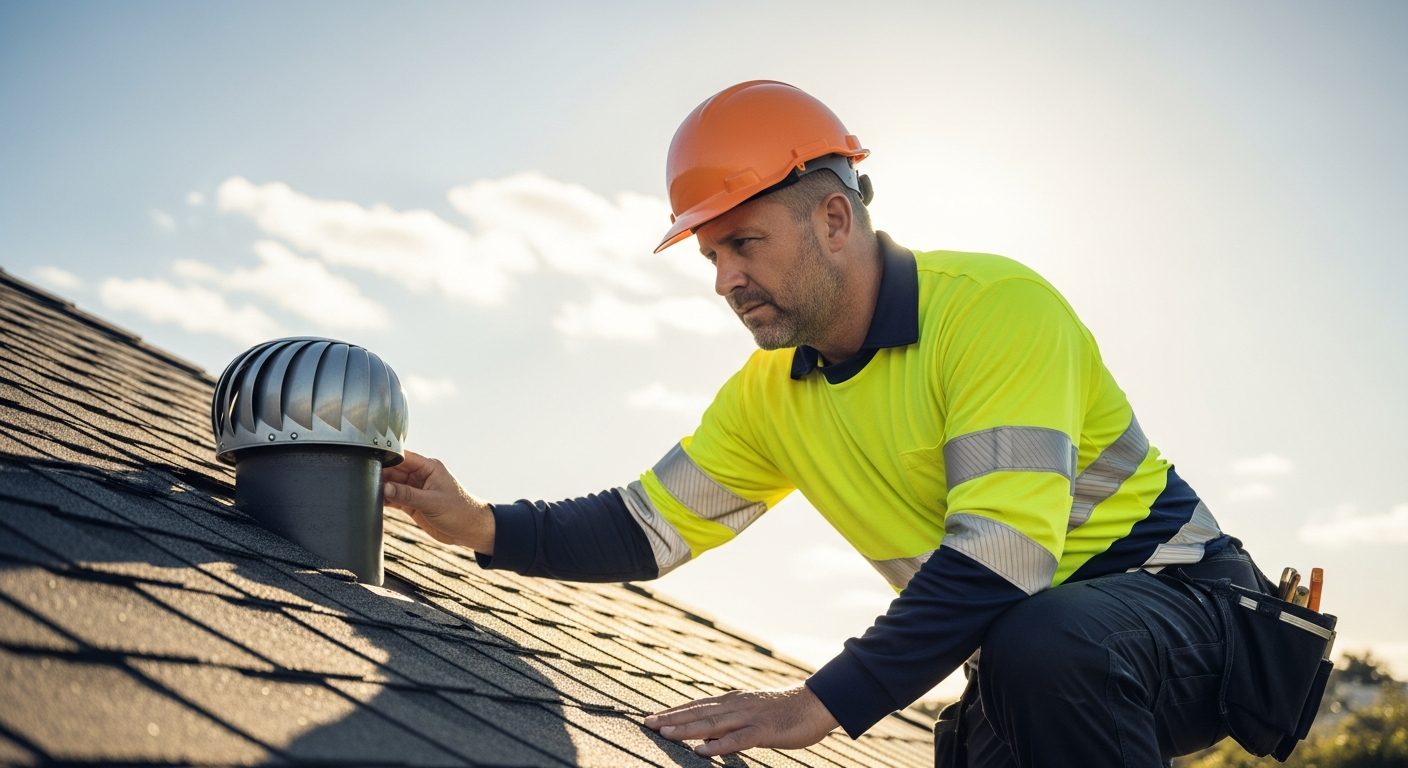
The standard advice you'll encounter — "inspect your roof every year" — is correct in broad terms but doesn't help you understand why, when to add inspections outside the annual cycle, or what a proper inspection actually covers. This article gives you a practical, evidence-based answer to the frequency question — and explains why a professional roof inspection is consistently one of the highest-return maintenance investments a homeowner can make.
The Case for Proactive Inspection
Most homeowners inspect their roof when something goes wrong. A stain appears on the bedroom ceiling. A shingle is visible on the lawn after a windstorm. A home inspector mentions "aging roof" during the sale process. These are reactive triggers, and by the time they occur, the underlying problem has usually been developing for months or years.
Roof failure is almost never sudden. The failures that produce visible interior damage — wet insulation, drywall damage, mold growth — are always preceded by slow, incremental deterioration that a professional inspection can identify before it reaches the interior. The economics are not subtle: a $0–$500 inspection that identifies a failing pipe boot or separating flashing means a $200–$600 repair. The same failure, identified after water has penetrated the attic, means $2,000–$15,000 in combined roofing and interior repair costs.
This is the core case for proactive inspection — not the inspection itself, but the early detection it enables.
The Baseline Schedule: Every Two Years, Adjusted for Risk
Industry guidance varies from annual to every three years for a baseline routine inspection. The right answer depends on several factors, but a reasonable baseline for most Georgia homeowners with a shingle roof in good condition is every two years — with additional event-triggered inspections outside the routine cycle.
Here is how to calibrate that baseline:
Newer roofs (0–10 years old): Annual inspection is not typically necessary for a quality installation in good condition. A professional inspection every two to three years, combined with your own annual ground-level visual check, is generally adequate. The exception is any roof that has experienced a significant storm event.
Mid-age roofs (10–18 years old): Annual inspection becomes more valuable as the system ages into its middle period. Sealants harden, flashings accumulate thermal cycling fatigue, and the first granule loss becomes visible. Catching these indicators early allows for low-cost maintenance that extends the roof's service life.
Older roofs (18+ years): Annual inspection is appropriate. A roof approaching the end of its expected lifespan is developing multiple concurrent failure points simultaneously. Regular inspection gives you advance warning to plan a replacement on your timeline rather than in response to a crisis.
Event-Triggered Inspections: When to Add Outside the Routine
The routine cycle above assumes nothing unusual happens. Several events should prompt an immediate inspection regardless of when the last routine one occurred:
Any significant hail event. Hail damage is not always visible from the ground, and it does not always manifest as a leak immediately. Hail bruising — impact damage to the granule surface and shingle mat — can allow UV degradation and eventual water infiltration months or years later. Insurance claims have time limits. Document hail damage promptly.
High-wind events (gusts above 50 mph). Wind lifting at shingle edges, dislodged ridge caps, and displaced flashings are the typical aftermath of high-wind events. Many of these conditions are not visible from the ground and are not immediately leaking — but they are compromised.
Any visible ceiling staining or interior moisture. Once water is reaching the interior, you need an inspection immediately — not at the next convenient time. Interior water damage compounds quickly, and the source of infiltration rarely resolves itself.
Before listing your home for sale. A pre-listing roof repair based on inspection findings is one of the highest-leverage pre-sale investments you can make. A roof flagged by the buyer's inspector is a negotiation liability; a roof with a current inspection report and documented condition is a selling point.
After the purchase of an older home. Home inspection reports are general overviews — a general inspector does not have the roofing-specific expertise to identify failing sealants, borderline flashing conditions, or ventilation imbalances. A dedicated roofing inspection within the first year of ownership of any home with a roof more than 10 years old is worth doing.
What a Professional Inspection Should Cover
The value of a professional inspection depends entirely on its completeness. A walk-around and a "looks OK" verbal report is not an inspection. A legitimate roof inspection should document, in writing, all of the following:
- Condition of field shingles: granule retention, cracking, curling, brittleness, algae or moss
- Flashing condition at all penetrations: chimneys, skylights, vent pipes, and HVAC equipment
- Valley condition: the waterproofing integrity of the channels where two roof planes meet
- Ridge and hip cap condition: wind resistance and sealant integrity
- Drip edge installation and condition at eaves and rakes
- Gutter attachment, slope, and debris accumulation
- Attic ventilation balance: intake vs. exhaust capacity
- Attic moisture indicators: condensation, mold, staining on decking
- Remaining service life estimate
- Priority ranking of any identified deficiencies
The report should be delivered in writing with photographs — not as a verbal summary. Written, photographic documentation is essential for insurance purposes, future claims, and your own maintenance records.
DIY Ground-Level Checks Between Professional Inspections
Between professional inspections, a periodic ground-level visual check takes 10–15 minutes and can catch obvious issues before they develop. From the ground, look for:
- Missing, displaced, or visibly damaged shingles
- Granule deposits in downspout discharge areas (indicating granule loss)
- Gutters pulling away from the fascia
- Moss or heavy dark staining on the roof surface
- Visible daylight around chimney or vent flashings
From the attic (flashlight required, safe footing essential):
- Daylight penetrating the roof deck at any point
- Staining, moisture, or mold on rafters or decking
- Wet or compressed insulation directly beneath the roof deck
"The roof is the one building component where a $400 inspection reliably prevents $10,000 in damage. The math is almost embarrassingly clear — and yet most homeowners wait until they have a leak."
Inspection for Georgia's Specific Climate
Georgia homeowners face a combination of stressors that makes regular inspection particularly valuable: spring hail seasons, summer heat that accelerates UV degradation, and — in North Georgia — ice events that stress flashings and eave conditions in ways that Atlanta-area homeowners don't typically encounter.
If your property is in a hail-prone corridor (Cherokee County through Hall County has experienced multiple significant hail events in recent years), adding a spring post-storm inspection to your annual routine is worth doing regardless of whether you notice visible damage. And if your property is in an elevated North Georgia location — Blue Ridge, Blairsville, or the surrounding communities — the ice and snow loading your roof encounters deserves annual attention.
Our storm damage inspection team deploys across both metro Atlanta and North Georgia, typically within 24–48 hours of a significant storm event.
Frequently Asked Questions
Is a free roof inspection from a contractor trustworthy?
It depends on the contractor. Some contractors use free inspections as a sales tool and find "damage" on every roof they walk. Others conduct genuine assessments and make honest recommendations. Ask for a written report with photographs — contractors who find nothing to sell you and still provide a complete written report are operating in good faith. Contractors who produce only verbal summaries and quote replacements on healthy roofs are not.
How much does a professional roof inspection cost?
Dedicated roof inspections in the Georgia market typically run $150–$350 depending on roof size, complexity, and the level of reporting delivered. Many roofing contractors offer inspections at no charge with a full report when the homeowner is a potential replacement or repair candidate. The cost of inspection is trivial relative to the cost of the failures it helps prevent.
Does my homeowners insurance require regular roof inspections?
Most standard policies do not mandate a specific inspection schedule, but many policies include a "maintenance" clause that can be invoked to deny claims for damage that a routine inspection would have identified and prevented. Keeping documented inspection records is your best protection against a maintenance-based claim denial.
What time of year is best for a roof inspection in Georgia?
Late fall (October–November) is often ideal — before winter weather arrives, after the most intense summer UV exposure, and positioned to identify any issues that should be resolved before winter rains. Spring (March–April) is also useful as a post-winter, pre-storm-season check. Avoid scheduling routine inspections in the middle of summer, when surface temperatures make safe, thorough assessment more difficult.
Related Services & Resources
When did your roof last get a thorough check?
Our 40-point diagnostic inspection gives you a complete, written condition report — not a sales pitch. Know exactly where your roof stands.
Book an Inspection