How to File a Roof Insurance Claim After Storm Damage: Step-by-Step
By Apex Editorial Team • Jun 15, 2024
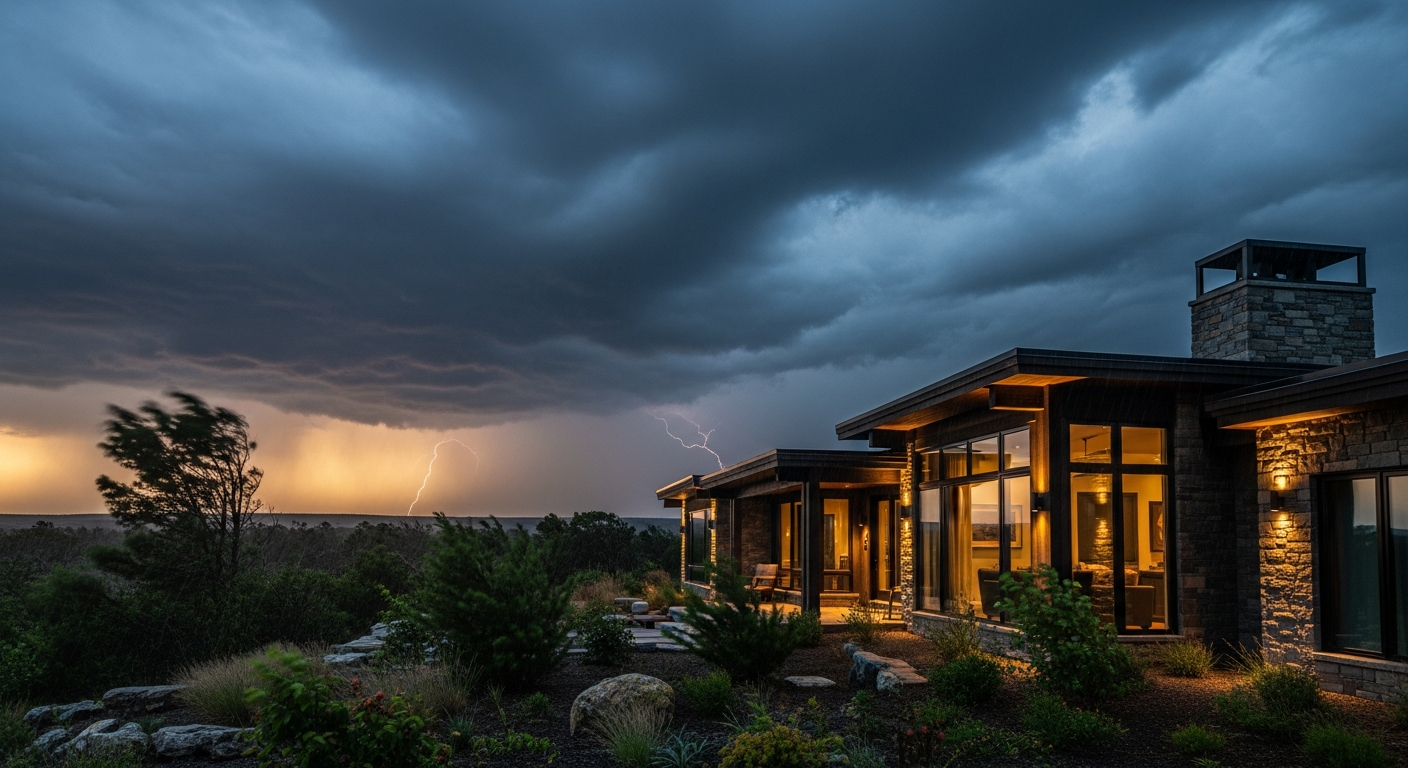
A severe storm just moved through your neighborhood. Your roof is damaged — you can see missing shingles, dented flashing, or worse. The panic is real. But what you do in the next 48 hours will significantly impact how much your insurance company covers. Here is exactly what to do.
Step 1: Prioritize Safety First
Before you inspect anything, confirm that your home is safe to occupy. If there is visible structural damage — collapsed decking, exposed ceiling framing, broken skylight glass — contact a licensed contractor immediately and do not re-enter the damaged areas. If electrical wiring or fixtures have been compromised by water infiltration, call your utility provider before anything else.
Do not climb onto your roof. Wet roofing surfaces are dangerous, and an injury will not improve your situation. If you need to document damage from above, use a drone if available, or wait for a professional inspection.
Step 2: Document Everything — Immediately
Your documentation begins before you call your insurance company. Walk the exterior perimeter of your home and photograph every piece of damage you can see from ground level: missing shingles, displaced flashing, dented gutters, broken fascia, granules in downspout discharge, and any debris that has landed on the roof. Timestamp every photo.
Inside the home, photograph any water intrusion, ceiling stains, or damaged insulation in your attic. Check your basement for seepage if the storm included significant rainfall. Document the date and time of the storm itself — local weather service records can substantiate your claim if needed.
Do not throw anything away. Damaged materials — even a bag of granule loss collected from your gutters — can be useful physical evidence during the claims process.
"The homeowners who get the best settlements are the ones who document first and call second. Adjusters work with what's in front of them — give them a complete picture."
Step 3: Call Your Insurance Company
File your claim as soon as your documentation is organized, ideally within 24–48 hours of the storm. Most carriers have specific deadlines for storm damage reporting — check your policy. When you call, describe the damage factually and provide the dates and type of storm (hail, wind, ice dam, etc.).
Your insurer will assign a claims adjuster who will schedule an inspection of your property. This inspection is the pivotal moment of your claim, and it pays to be prepared.
Step 4: Understand What Adjusters Look For
Insurance adjusters are looking for two things: evidence of storm-caused damage, and pre-existing conditions that your policy may not cover. Common storm damage indicators they check include hail impact patterns (circular dents on soft metals like flashing, gutters, and vent covers), wind-caused shingle displacement along ridges and edges, and granule loss patterns consistent with impact rather than age.
Pre-existing conditions — deferred maintenance, improperly installed materials, pre-storm wear — are often used to reduce or deny claims. This is why having a contractor inspect your roof before the adjuster's visit is valuable: they can help ensure that storm damage is correctly identified and distinguished from pre-storm wear.
Step 5: Get a Professional Inspection Before the Adjuster Arrives
One of the most important things you can do is have a trusted roofing contractor inspect your roof before the insurance adjuster arrives — or at minimum, have a contractor present during the adjuster's visit. An experienced roofer knows exactly what storm damage looks like, knows how adjusters evaluate it, and can advocate for a complete and accurate assessment.
This is not about gaming the system. It is about making sure legitimate damage isn't missed. Adjusters handle dozens of claims after a major storm event and may spend only 20–30 minutes on your property. A contractor who has inspected the full system carefully can fill in the gaps.
Common Mistakes That Reduce Your Claim
The most costly mistake homeowners make is accepting the first adjuster's estimate without review. If you believe the assessment is incomplete, you have the right to request a re-inspection or hire a public adjuster to represent your interests.
A second serious mistake is making permanent repairs before the adjuster's visit. Temporary tarping to prevent further water infiltration is appropriate and expected, but replacing shingles or covering damage before the adjuster has documented it removes the evidence your claim depends on.
Finally, beware of contractors who offer to waive your deductible in exchange for signing a contract. This practice is insurance fraud in most states and can jeopardize your claim and expose you to liability.
How Apex Helps Through the Process
We've guided hundreds of Georgia homeowners through the insurance claims process after storm events. Our team provides a detailed written inspection report that documents every area of storm-related damage — a document specifically formatted for insurance review. We are available to meet your adjuster on-site and walk through our findings. And because we understand local carrier standards, we can help you understand what is and isn't typically covered before you commit to any repair scope.
If your home has sustained storm damage, our storm damage restoration service is designed to get you from emergency to fully restored as efficiently as possible. For homes that need a professional condition assessment before filing a claim, our roof inspection service provides the documentation your carrier needs.
Did your roof sustain storm damage?
Our team will inspect your property, document the damage, and walk you through the insurance process — at no cost to you.
Request a Storm Damage Inspection